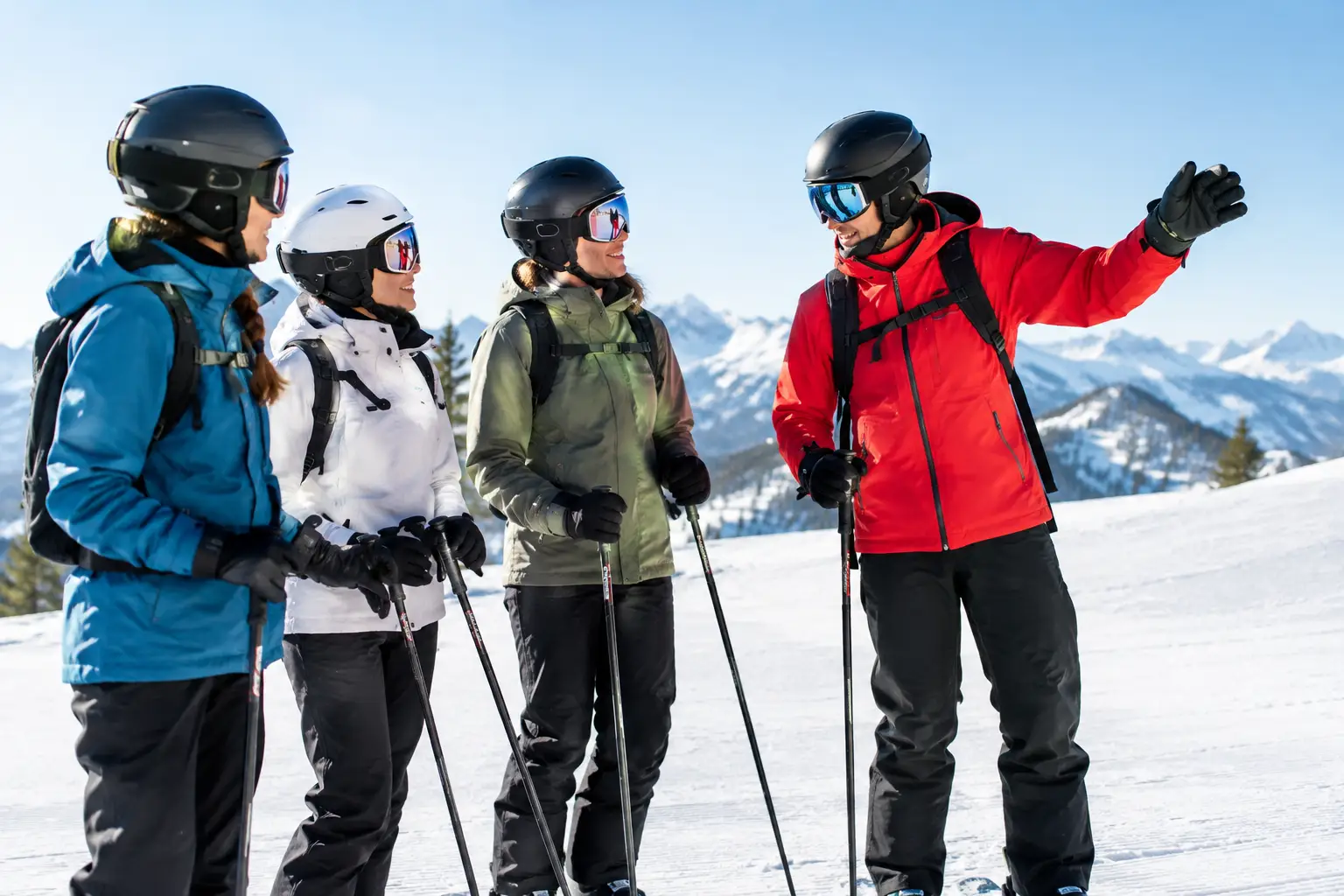
How to Select Ski Instructors for Your Party
A ski instructor can quietly define the rhythm of an Alpine holiday. The right person gives a hesitant child the confidence to take a first blue run, helps an experienced skier find fresh terrain without unnecessary risk, and lets the rest of the party settle into the day knowing everyone is well looked after. Knowing how to select ski instructors is therefore less about finding the most decorated name and more about making a thoughtful match.
For a private chalet stay, that match should account for more than ability level. Consider the pace of your group, the ages involved, preferred language, appetite for adventure, and the particular character of the resort. A brilliant instructor for a solo expert seeking steep couloirs may not be the right choice for a multigenerational family wanting calm, unhurried mornings and a long lunch in the sun.
Start with the shape of your ski party
Before looking at qualifications or availability, define what the day needs to feel like. This is especially useful when several households are traveling together. A group of six can appear straightforward on paper, yet one parent may want technical coaching, two teenagers may be ready for the terrain park, and younger children may be taking their first turns.
Private instruction is often most rewarding when the group is divided according to confidence and objectives rather than family ties. Children tend to progress more freely without feeling observed by older siblings, while adults who ski at a similar level can cover more ground and receive more relevant guidance. It does not have to be fixed for the entire week. Many families choose separate lessons for the first few mornings, then reserve an afternoon to ski together on terrain everyone can enjoy.
Think, too, about energy rather than simply skill. A fit intermediate who enjoys sustained cruising has different needs from an equally capable skier who prefers a gentle start, scenic routes, and frequent pauses. Be candid about this from the outset. It allows the instructor to create a day that feels considered rather than overambitious.
How to select ski instructors by expertise
Formal certification matters, particularly in the Alps, where instructor training is rigorous and local mountain knowledge is earned over many seasons. Ask about recognized national qualifications, but do not treat the highest credential as the only measure of quality. The best fit depends on what you are asking the instructor to do.
For beginners, look for a patient teacher with a clear, encouraging manner and considerable experience with first-time skiers. The ability to explain balance, edging, and speed control in simple language is more valuable than an intimidatingly technical vocabulary. For children, warmth and attentiveness are essential, as is an instinct for keeping lessons playful without sacrificing safety.
Strong intermediates often benefit most from an instructor who can refine technique while showing them the resort beyond the obvious pistes. In a vast area such as the Three Valleys, Les 3 Vallées, or the Dolomiti Superski network, local route planning can transform a week on skis. The right guide knows which lift to take before a bottleneck forms, where the snow holds best after a warm spell, and which mountain restaurant suits a relaxed family lunch.
Advanced skiers should seek instructors with specific experience in their intended terrain. Off-piste skiing, ski touring, and high-alpine itineraries demand more than excellent piste coaching. Ask directly about mountain safety training, current conditions, group-size limits, and whether avalanche equipment is included or should be arranged separately. The distinction between an instructor who can take confident skiers off the marked runs and a properly qualified mountain guide is significant in certain regions and conditions.
Teaching style is as important as a résumé
The most memorable instructors combine sound judgment with an ability to read people. They know when to offer a precise correction, when to change terrain, and when a hot chocolate stop will do more for a child’s progress than another run. Those qualities are difficult to identify from a brief biography alone, which is why trusted local recommendations are so valuable.
For a private group, ask a few practical questions before confirming. Does the instructor work regularly with families? Are they comfortable teaching mixed abilities? Can they offer instruction in your preferred language? Do they favor technical drills, mileage, terrain exploration, or a combination of all three?
There is no universally superior approach. Some guests want focused coaching for two hours each morning, then independent skiing. Others prefer a full-day instructor who can set an easy pace, navigate a large ski area, and make the mountain feel more accessible from the first lift to the final descent. A full-day arrangement is particularly appealing in an unfamiliar resort, though it naturally offers less privacy than a short lesson followed by time alone.
Consider language, children, and confidence
For international families, language can make a substantial difference, especially with young children. A child may understand basic instructions in a second language yet be far more relaxed with an instructor who can reassure them in their native tongue. This is not merely a matter of convenience. Feeling understood builds trust quickly, and trust is the foundation of progress on snow.
Ask whether the same instructor can remain with your children throughout the stay. Consistency is helpful for nervous beginners and removes the need to establish rapport each morning. It also gives the instructor time to notice small improvements and adjust goals accordingly. During peak holiday weeks, continuity should be requested early rather than assumed.
For teenagers, the question is often less about language and more about rapport. An instructor with the right energy can make coaching feel like a day on the mountain rather than a lesson. If they are interested in freestyle, racing techniques, or exploring more challenging terrain, say so in advance. A thoughtful match will be based on both ability and motivation.
Match the lesson format to the resort
The best lesson structure changes from one destination to another. In compact, polished resorts such as Courchevel or Megève, a half-day private lesson may leave ample time for an elegant lunch, village shopping, or an afternoon at the chalet spa. In expansive destinations such as Verbier, Zermatt, or St. Anton, a full day can be the more relaxed choice. It gives the instructor time to reach the most rewarding sectors without turning the experience into a race against the lifts.
Ski-in and ski-out access also changes the practicalities. From a slopeside chalet, an instructor can often meet the party at the ski room and begin the day quietly, without a crowded base-station rendezvous. If your residence requires a short drive or lift connection, allow for that in the schedule. A 9:00 a.m. lesson may mean leaving the chalet considerably earlier during busy school-holiday periods.
Do not overlook lunch planning. A well-connected instructor may secure a table at a favored mountain restaurant, but this is never something to leave vague on a peak-season day. Share your preferences beforehand: a sunny terrace, somewhere discreet, a quick lunch to preserve skiing time, or a place accommodating young children. The details shape the atmosphere of the day.
Book early, then leave room for conditions
The most sought-after instructors are often committed well before Christmas, New Year, Presidents’ Day, and European school holidays. If skiing is central to your trip, arrange instruction as soon as accommodation and travel dates are settled. This is particularly true when you need a specialist, a particular language, or several instructors for a larger private party.
At the same time, avoid planning every minute too rigidly. Weather, visibility, snow conditions, and a child’s confidence can all change the ideal plan. It is wise to confirm the core days in advance while retaining flexibility for an additional afternoon, a rest day, or a spontaneous guide-led outing when conditions are especially favorable.
A discreet concierge can be useful here, not simply for making the initial reservation but for managing the small adjustments that arise during a stay. At Alpin Privé, this kind of coordination is approached as part of the wider rhythm of a private mountain holiday: lesson times aligned with ski fittings, drivers, restaurant reservations, and the pace each guest prefers.
A few questions worth asking before you confirm
A short conversation should reveal far more than a profile page. Ask how the instructor would structure the first day for your group, how they assess ability, and what happens if someone is not comfortable with the planned terrain. Clarify whether lift passes, equipment, avalanche safety gear, lunch, and transportation are included.
It is also sensible to ask about cancellation terms, particularly if your party includes small children or if travel dates are exposed to changing plans. For off-piste days, establish the safety protocol in plain terms: required equipment, terrain choices, forecast considerations, and the point at which conditions mean a different plan is preferable.
The finest ski days rarely feel tightly managed. They feel easy: boots warmed, the right run chosen at the right moment, children returning pleased with themselves, and enough time left to enjoy the silence of the snowfall from the terrace. Select an instructor who understands that feeling, and the mountain will begin to feel like your own.
Comments